
Pool Fencing
Code-compliant pool fencing that keeps your family safe while enhancing your outdoor living space.
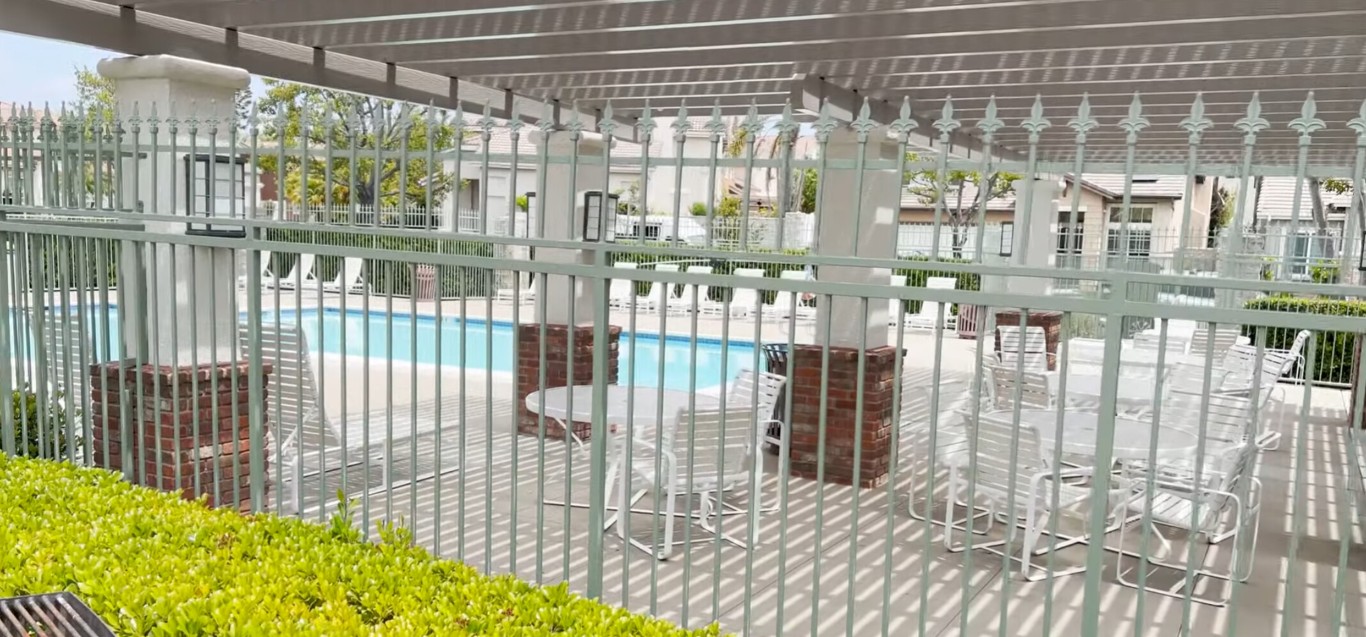
Pool Safety Starts With Proper Fencing
Pool fencing is not just a good idea, it is required by law in most areas to prevent accidental drownings. Tennessee building codes mandate that residential pools have barriers that meet specific safety requirements. These regulations exist to protect children and pets from unsupervised access to pool areas, potentially saving lives.
When you choose professional pool fence installation in Bristol, TN, you get a fence that meets all local codes and safety standards. We stay current with regulations regarding fence height, gate requirements, picket spacing, and latch specifications. Your fence will pass inspection the first time, giving you peace of mind that your pool area is properly secured.
Beyond legal compliance, a quality pool fence protects your family and guests. Young children can wander toward pools in seconds when adults are distracted. A secure fence with self-closing, self-latching gates creates a reliable barrier that works even when supervision lapses momentarily. This safety feature also protects you from liability if someone enters your property and has a pool accident.
Pool Fence Code Requirements
Pool fence codes can be complex, but they all aim to prevent unsupervised access by young children. Understanding these requirements helps you see why certain features are necessary. Here are the key code requirements we follow for pool fence installations.
Essential Safety Features
- Minimum fence height of four feet, though five feet is often required
- Maximum picket spacing of four inches to prevent children from squeezing through
- No horizontal rails or footholds that make climbing easy
- Self-closing gates that automatically return to the closed position
- Self-latching gates with latches mounted high enough that young children cannot reach
- Gates that swing away from the pool area for safety
- No gaps under the fence larger than four inches
- Vertical picket orientation to discourage climbing
Some codes also require alarms on gates or additional barriers if your house wall forms part of the pool enclosure. We help you navigate these requirements and ensure every detail meets specification. Getting it right the first time prevents costly corrections after inspection and, more importantly, ensures your pool area is truly safe.
Best Materials for Pool Fencing
Several fence materials work well for pool enclosures, each with distinct advantages. Your choice depends on your budget, aesthetic preferences, and maintenance tolerance. Here are the most popular options we install for pool areas in Bristol.
Aluminum Pool Fencing
Aluminum fencing is our most recommended option for pools. It never rusts, even with constant exposure to pool chemicals and splashing water. Aluminum looks elegant, requires no maintenance beyond occasional washing, and easily meets all code requirements. The open picket design maintains visibility so you can supervise swimmers from anywhere in the yard. It comes in many styles and colors to match your home and landscape.
Vinyl Pool Fencing
Vinyl fencing offers excellent durability around pools and never needs painting or staining. It resists moisture and pool chemicals without any deterioration. Privacy-style vinyl works well if you want to block the view from neighbors, though you sacrifice the ability to watch swimmers from outside the fence. Semi-privacy designs offer a middle ground.
Glass Pool Fencing
For upscale installations, frameless glass fencing provides maximum visibility and modern style. Glass does not obstruct views of the pool or landscape, making your yard feel more open. It requires more frequent cleaning to keep it clear but creates a stunning appearance. Glass fencing costs more than other options but adds significant appeal to luxury pool areas.